Hunter pets have always been one of the most iconic features of World of Warcraft. From the moment players first tame a boar in Durotar or a wolf in Dun Morogh, they form a bond unlike anything offered by other classes. Over time, that bond grows into something deeper—an emotional connection shaped by combat moments, animations, loyalty mechanics, and even the subtle quirks each pet displays. Many players would argue that Hunter pets possess more personality than countless quest NPCs, and that belief isn’t misplaced.
This article explores what makes Hunter pets feel alive, how their behaviors shape gameplay, and why these loyal companions remain central to the Hunter identity across all expansions.
The Emotional Power of Taming
Taming is one of the most personal moments a player experiences. The act itself involves risk, timing, and the thrill of earning a wild creature’s trust. Unlike cosmetic mounts or collectable toys, Hunter pets are living companions that fight, protect, and travel alongside the Hunter at all times. This emotional baseline is established early, giving every chosen pet a sense of story and identity.
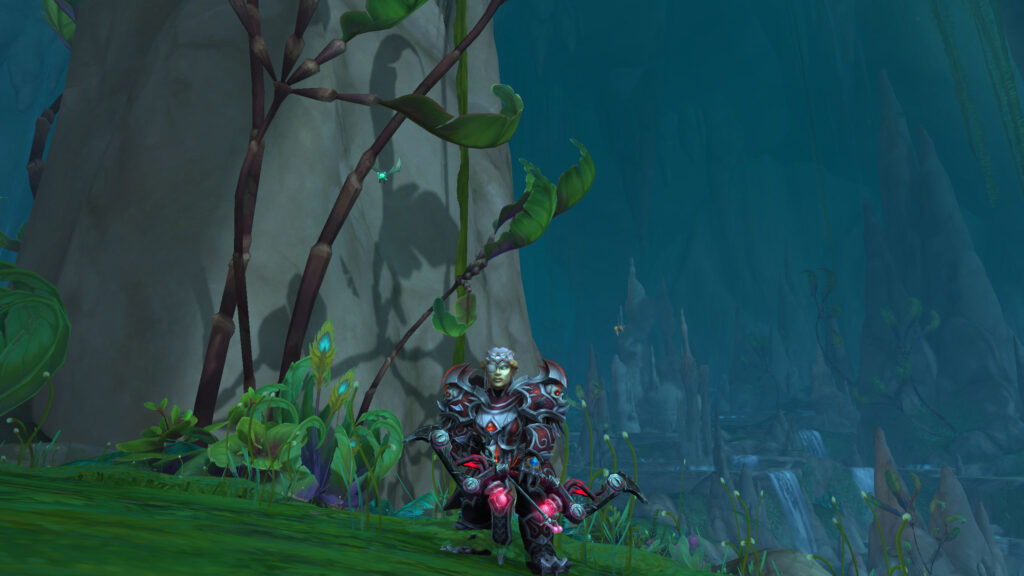
It’s not unusual for players to remember exactly where they found their favorite pet—even years later.
Unique Families, Unique Behaviors
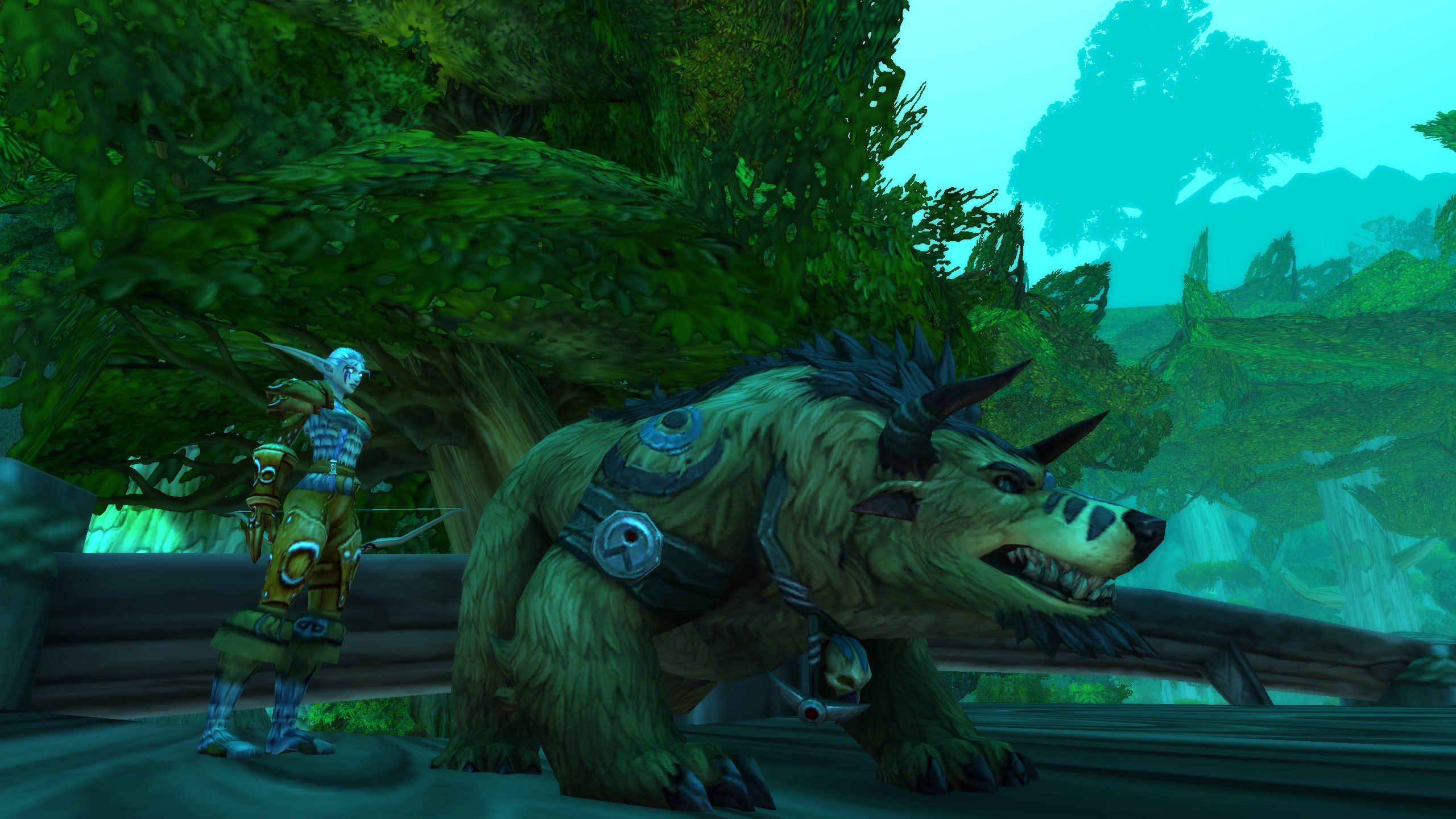
Hunter pets are divided into families, each with its own flavor and mechanical abilities. Wolves howl, bears roar, cats stalk quietly, and raptors screech with battle hunger. These behaviors, though subtle, give each pet a personality the moment it appears beside the Hunter. Modern expansions expanded these differences even further with family-specific passives and special abilities tied to fantasy themes.
This diversity creates a sense that pets are not interchangeable—they are distinct allies with meaningful variation.
Animations That Convey Personality
Animation plays a tremendous role in giving pets life. Every creature has its own posture, idle movements, and combat animations. Cats stretch lazily, hyenas pace with nervous energy, and turtles growl defiantly when attacked. Even movement speed and stride differences convey personality—spiders scuttle, birds glide, and crustaceans shuffle sideways.
The visual language of each creature communicates emotion without any dialogue.
The Loyalty of Classic WoW Pets
In classic World of Warcraft, Hunter pets had dietary needs and loyalty levels. These early systems created a simulated bond through responsibility. Feeding a pet increased loyalty; neglect caused it to weaken or even abandon the Hunter. While modern WoW removed these mechanics for accessibility, the emotional memory of that system still informs how players perceive their pets.
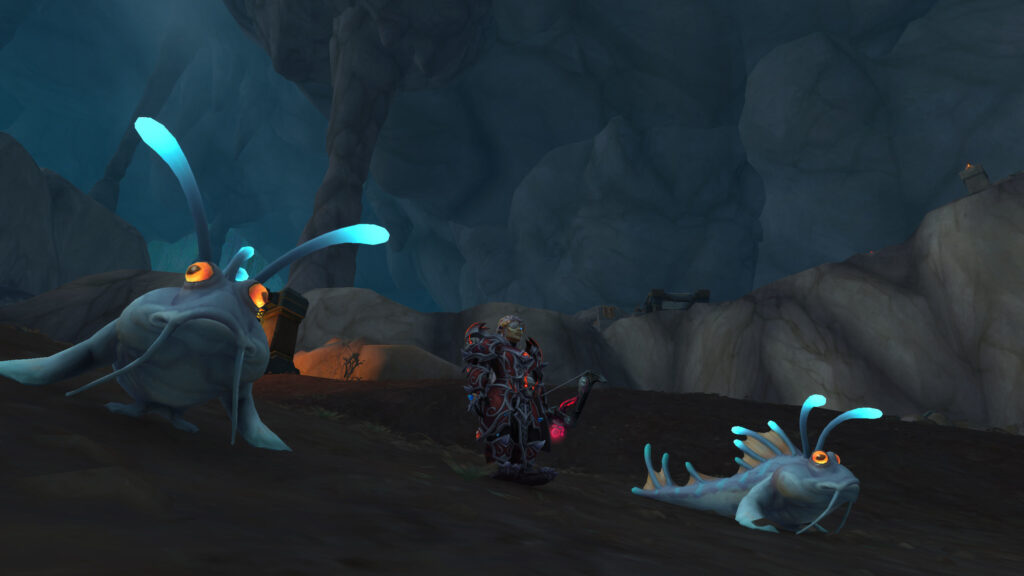
Loyalty wasn’t just a mechanic—it was a relationship.
Pet Abilities: More Than Just Utility
Each pet family brings unique strengths that subtly influence player attachment. Some provide tankiness for solo leveling, others excel at burst damage, and some offer rare or nostalgic abilities. These mechanics create functional bonds: players grow attached to pets they rely on during difficult content. The emotional connection strengthens when a pet pulls the player out of danger or helps defeat a tough enemy.
Pets become silent partners in the Hunter’s journey.
Exotic Pets: The Beast Mastery Identity
Beast Mastery Hunters enjoy an even deeper pet relationship thanks to exotic creatures—spirit beasts, chimaeras, core hounds, devilsaurs, mechanical beasts, and more. These pets have unique visual effects, animations, and sounds that set them apart from standard families. Spirit beasts in particular are beloved for their ethereal glow, mystical aura, and soothing idle noises.
BM Hunters often feel they are collecting legendary partners rather than simple beasts.
Table: Personality Traits Across Pet Families
Different pet families express unique personality traits through animations, combat styles, and sounds. Here’s a quick comparison:
| Pet Family | Core Personality Vibe | Signature Behavior |
|---|---|---|
| Cats | Graceful, independent | Stealthy crouching and smooth attacks |
| Bears | Protective, loyal | Roaring, frontal tank animation |
| Spirit Beasts | Mystical, serene | Glowing spectral effects |
| Wolves | Steadfast, alert | Iconic howl animation |
| Raptors | Fierce, primal | Quick lunges and sharp screeches |
These personality cues deepen emotional attachment and reinforce the fantasy of each pet.
Pet Sounds: The Hidden Layer of Attachment
One of the most underappreciated elements of Hunter pet personality is sound design. A wolf’s howl, a raptor’s screech, a hyena’s laugh—these sounds become the audio identity of the Hunter’s journey. Many players can identify their pet purely by its idle noises. Sound reinforces emotional memory, weaving the pet into the player’s experience far more deeply than visuals alone.
Pet sound design creates a sense of companionship that NPCs rarely achieve.
Pets as Extensions of Player Identity
Hunters often choose pets that reflect their preferred fantasy. Night Elf Hunters favor owls or cats, Orcs choose wolves or worgs, Goblins tame mechanical spiders, and Tauren bond with kodos or plains creatures. These choices reflect the Hunter’s identity, culture, or personal style. Unlike NPCs, pets remain by the player’s side through every expansion, dungeon, and raid.
This consistency turns them into permanent extensions of the character.
Rare Tames: Emotional Stories Players Never Forget
Some pets require tremendous patience or special conditions to tame. The spectral wolf “Garwal,” the flaming boar from Firelands, the spirit beasts stalking Northrend—these tames become legendary stories. Players spend days tracking spawn timers, setting traps, and competing with others for the privilege of bonding with something truly rare. The effort involved creates enormous emotional value.
The pet becomes a trophy and a companion simultaneously.
Why Hunter Pets Feel More Alive Than NPCs
NPCs often serve mechanical roles: they offer quests, sell items, and populate towns. They rarely evolve or react to player behavior. Hunter pets, by contrast, fight beside the player, level up, use abilities, react to threats, and display constant animation and sound feedback. Their presence is active, not passive.
This continuous engagement makes pets feel alive in ways static NPCs often cannot replicate.
Conclusion
Hunter pets have more personality than many NPCs because they exist at the intersection of mechanics, animation, sound design, and emotional storytelling. Players tame them, rely on them, customize them, and grow with them. Every battle deepens the connection, and every expansion adds new ways to strengthen that bond. Pets don’t just follow Hunters—they define them.
After years of adventures, a Hunter’s pet is more than a companion. It’s a part of their character’s soul.