Ambient sound is one of the most overlooked yet essential elements shaping a player’s emotional connection to a zone. Long before recognizable themes or iconic musical crescendos, the quiet pulse of a region’s soundscape defines its identity. The rustle of leaves, distant wildlife, soft winds, crackling fires, echoing caverns — each tiny detail creates an atmosphere that feels alive, lived-in, and deeply personal. These sounds bridge the gap between scenery and soul, transforming a zone from a location into an experience.
This article explores how ambient soundscapes bring zones to life, how they shape emotional memory, and why they remain one of the most powerful tools in the game’s immersive design.
The World Speaks Before the Music Does
When players enter a new zone, the first thing they hear is not usually the orchestral score — it’s the ambient world humming quietly beneath their footsteps. This subtle layer sets the emotional tone. Forests whisper, deserts sigh, mountains groan under shifting snow. Before players notice any grand theme, they already feel the atmosphere through sound alone. Ambient noise works like a narrator without words, describing the zone’s mood through texture rather than melody.
The world introduces itself through its natural voice.
The Emotional Weight of Subtle Sound
Small sounds carry powerful emotional resonance. A distant owl in dusk-lit woods creates calm anticipation; dripping water in a deep cavern triggers unease; rhythmic waves on a shoreline create reflective stillness. These subtle cues shape the emotional backdrop of a zone. Players often form lasting memories tied to sounds they barely noticed — the chirping of crickets in Elwynn, the haunting wind of Icecrown, the buzzing silence of Silithus.
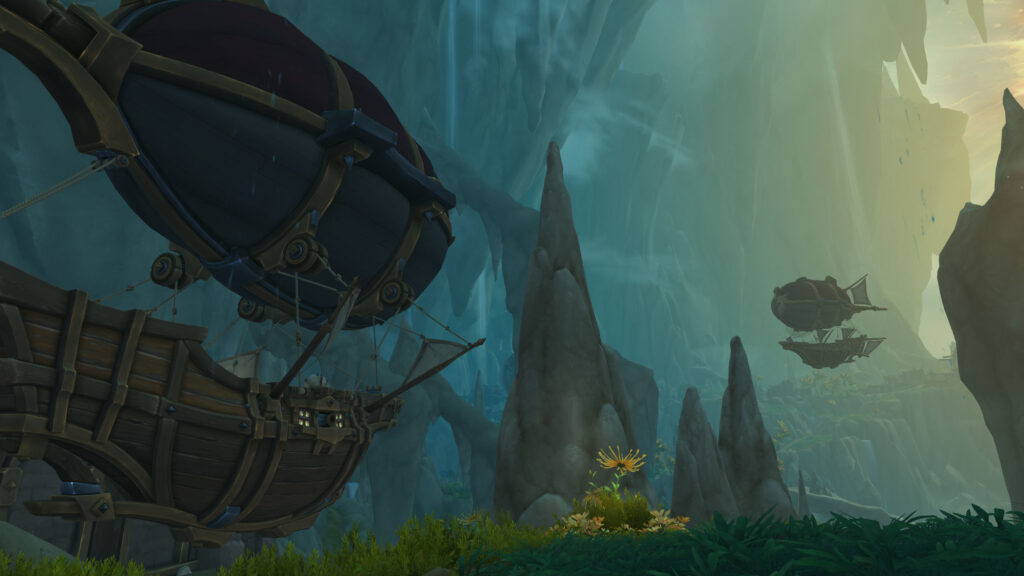
To illustrate the emotional impact of ambient cues, here is a simple breakdown:
- Soft wildlife calls: Suggest safety, peace, or natural balance
- Wind patterns: Evoke loneliness, danger, or vast open space
- Water echoes: Create calm or foreboding depending on depth
- Distant howls or roars: Signal tension or hidden threats
- Environmental hums: Add mystery, strangeness, or magical presence
Soundscapes That Define Identity
Each zone has a unique sound fingerprint. These ambient identities create instant recognition even without visuals. A few steps into Westfall reveal windswept emptiness; walking through Grizzly Hills evokes the quiet strength of wilderness; entering Shadowmoon Valley immediately feels otherworldly. Sound alone carries players back to emotional memories of past adventures, victories, losses, and explorations.
Sound is memory written in air.
How Ambience Guides Exploration
Ambient noise subtly guides player behavior. Louder sounds indicate danger; sudden silence indicates tension. The world communicates through these shifts, teaching players to read the environment instinctively. A quiet clearing may feel safe, while a faint distant rumble creates unease long before a threat appears. Ambience becomes a compass of emotion and intuition.
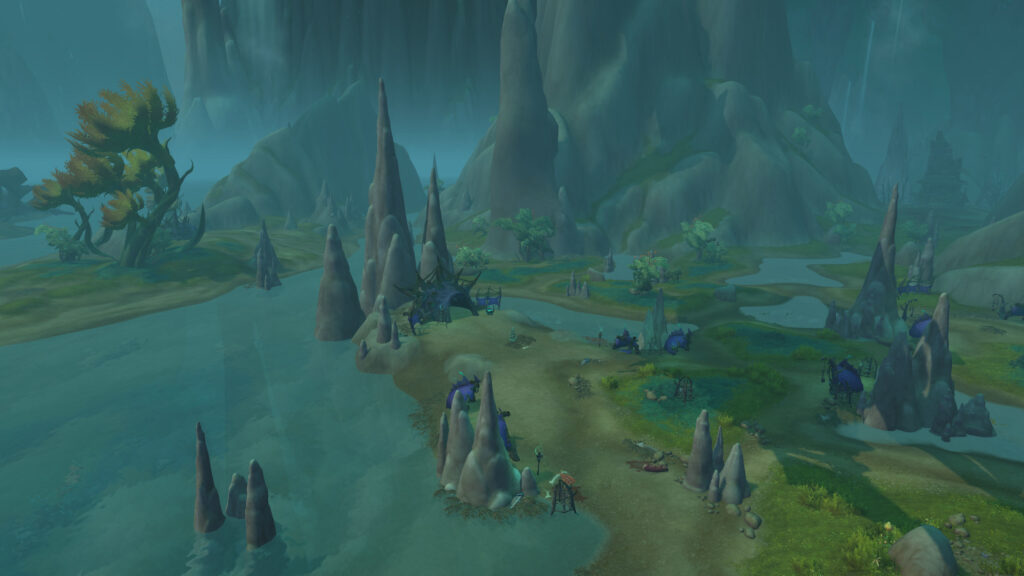
The world speaks through quiet changes.
Why Sound Makes Zones Feel Personal
Every player interprets sound differently, shaping their own emotional landscape. Two players may experience the same zone but remember entirely different details — a specific bird call, the echo of a cavern, or the gentle patter of rain. These small moments become personal anchors tied to memories of leveling, exploring, or simply existing in the world. Sound creates belonging in a way visuals alone never could.
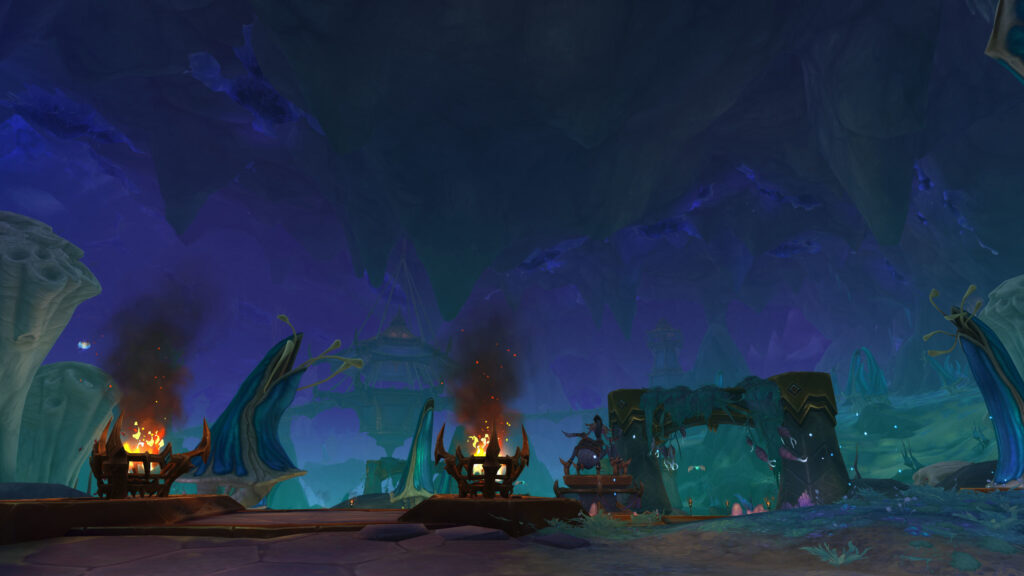
Personal memory grows from subtle sound.
Conclusion
Ambient soundscapes make zones feel alive by shaping atmosphere, guiding emotion, and creating personal memory. Through subtle rhythms and natural textures, sound transforms landscapes into experiences that resonate deeply. It is the quiet foundation that makes each region feel distinct, immersive, and emotionally meaningful.