
Movement is one of the most fundamental elements of World of Warcraft, and for nearly twenty years, mounts have shaped how players interact with Azeroth. What began as simple speed bonuses evolved into a sophisticated system of physics, momentum, turning arcs, and terrain interaction—especially in Dragonflight’s era of dynamic flight. These mechanics influence not only travel efficiency but also how players perceive openness, danger, and discovery. Whether gliding off a cliff in the Dragon Isles or navigating tight corridors on a ground mount, the physics beneath the surface impacts exploration more than many players realize.
This article explores the hidden complexity behind mount speed, momentum, and physics, and how these systems redefine the feeling of adventure across modern WoW.
The Psychology of Speed and Player Motivation
Speed changes how players approach the world. Faster mounts increase the pace of exploration, reduce travel downtime, and make the vastness of Azeroth feel accessible. But there’s a deeper psychological effect: speed gives a sense of freedom. Players who move quickly feel powerful and efficient, especially when crossing large landscapes. This sensation fuels engagement, encouraging players to complete more activities, visit more locations, and experiment with new paths.
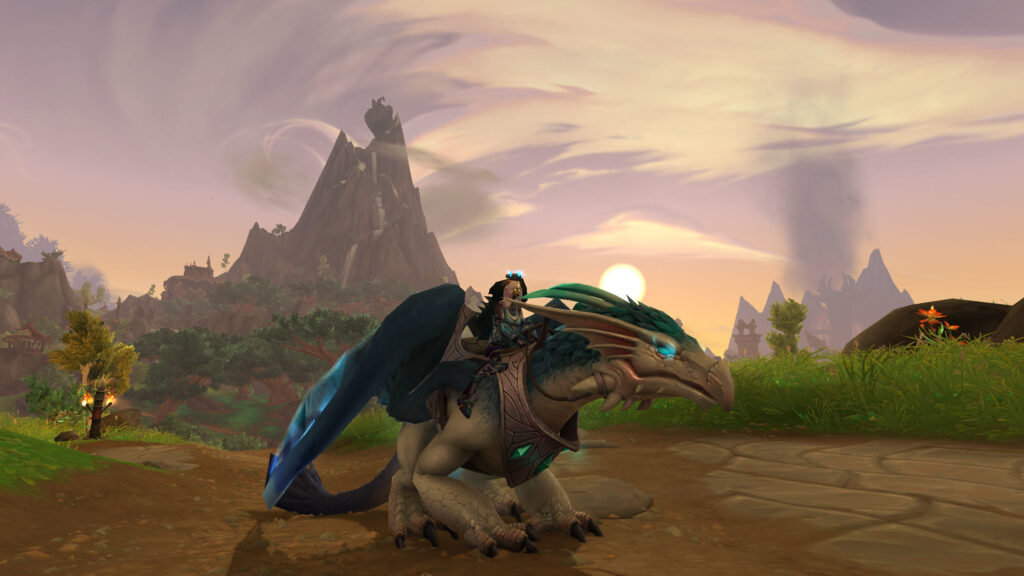
Even slight increases in mount speed dramatically influence how satisfying exploration feels.
The Legacy of Ground Mount Physics
Before flying, ground mounts defined exploration. They introduced subtle mechanics—mount acceleration, jump height, and traction on uneven terrain. Players learned which paths were faster, where to avoid roots or rocks, and how to angle their movement to optimize travel. Ground mount physics mattered in PvP too, influencing kiting, escapes, and battlefield control.
These systems established foundational movement rules that still influence mount design today.
The Evolution of Flight and Why Momentum Matters
The original flying system introduced in The Burning Crusade offered static flight speed with no physics beyond directional control. Dragonflight completely reinvented the system by adding momentum, gravity, pitch control, and acceleration curves. These mechanics reward mastery rather than simply granting passive movement. Players gain speed by diving, preserve momentum through gliding, and manage vigor as a movement resource.
The result is a flight system that feels alive—skillful, satisfying, and expressive.
How Terrain Interaction Shapes Exploration Routes
Terrain plays a crucial role in mount design. Slopes, cliffs, ridges, and open plains create natural pathways for movement. In dynamic flight, mountainous terrain encourages arc-based movement where players build speed through dive paths. In older zones, uneven terrain affects pathfinding and mount acceleration. Designers intentionally shape environments so that movement feels intuitive, guiding players toward scenic vistas or hidden objectives without obvious markers.
Mount physics turn terrain into a silent form of environmental storytelling.
| Terrain Type | Movement Effect | Exploration Impact |
|---|---|---|
| Steep Hills | Boost dynamic flight speed via dives | Encourages gliding-based routes |
| Dense Forest | Slows ground mounts, reduces turning space | Promotes alternate high-ground paths |
| Open Plains | Maximizes gallop speed | Ideal for fast leveling and farming |
| Cliff Networks | Provides launch points for speed dives | Rewards momentum-based exploration |
| Caves & Interiors | Restricts mount movement | Shifts focus to foot exploration |
The Physics of Turning, Momentum Loss, and Acceleration
Even subtle physics like turning radius influence gameplay. Fast mounts feel heavier, making sharp turns difficult without losing momentum. Players subconsciously adjust movement to preserve efficiency—taking wide curves, planning routes ahead of time, or diving at specific angles. Acceleration also affects combat travel in open-world content, determining how quickly a player can escape, engage, or reposition.
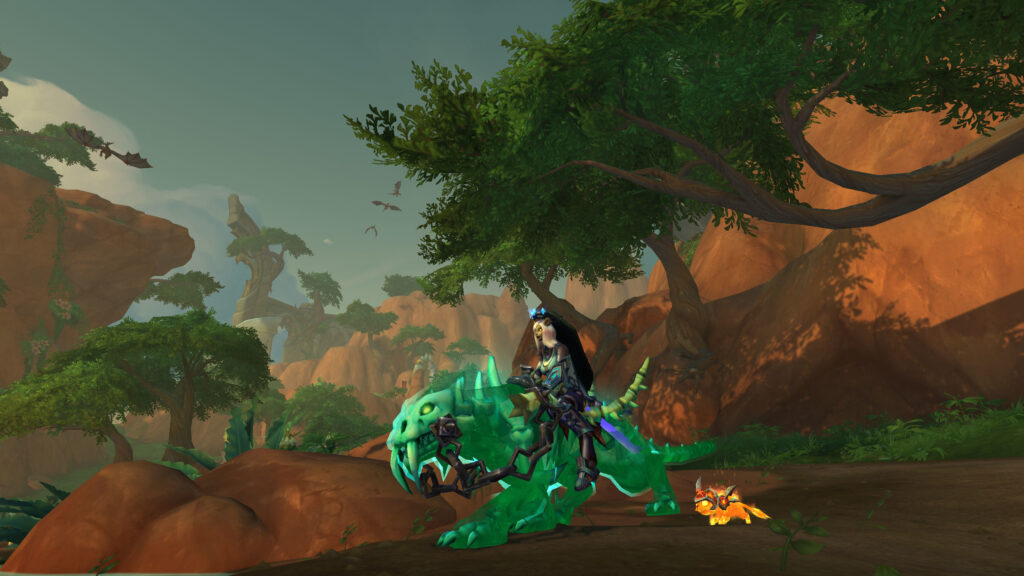
These micro-movements shape exploration flow in ways most players feel but never articulate.
Dragonriding: A New Era of Exploration Physics
Dragonriding transformed movement into a full skill-based system. Managing vigor, planning dives, chaining skyward ascents, and mastering aerodynamic momentum creates a unique sense of motion. Unlike traditional flight, Dragonriding makes players think about height, direction, resource management, and terrain efficiency. This depth turned exploration itself into a rewarding gameplay loop.
Many players describe Dragonriding as one of the most satisfying systems Blizzard has ever created.
Why Speed and Momentum Influence Player Identity
Movement systems often define how players connect with the world. Some enjoy fast-paced gliding across vast landscapes, others prefer steady ground exploration with detailed pathfinding. Mount collections also reflect personality—some players chase sleek dragons for speed, while others prefer thematic mounts tied to specific zones or achievements.
Speed becomes part of self-expression, shaping how players experience Azeroth.
Mount Speed in PvP, Farming, and Efficiency Play
Mount mechanics also influence gameplay efficiency. In farming, faster mounts or better momentum management lead to higher resource yields. In open-world PvP, momentum and quick acceleration can define chase potential or survival. Even in casual play, players subconsciously choose routes and mounts based on physics—flying high to glide long distances, or sticking to ground shortcuts in narrow areas.
Movement is more than travel—it’s strategy.
The Future of Mount Physics and Exploration
With The War Within building on Dragonflight’s momentum-driven systems, WoW’s movement continues to evolve. Future expansions may experiment with new flight styles, mount interactions, or environmental physics. Blizzard’s recent approach shows a clear trend: exploration should feel dynamic, rewarding, and physically intuitive. The result is a world that feels more alive than ever before.

Mount physics are becoming a core pillar of the game rather than an accessory system.
Conclusion
Mount speed, momentum, and physics influence WoW exploration far more than players consciously realize. They shape route choice, terrain interaction, pacing, and even the emotional experience of moving through Azeroth. With dynamic flight redefining modern expansions, movement has become one of WoW’s most exciting and expressive systems. As Blizzard continues refining these mechanics, exploration will remain one of the most immersive aspects of the game.
In the end, every glide, gallop, and dive contributes to a world that feels vast, alive, and endlessly worth exploring.