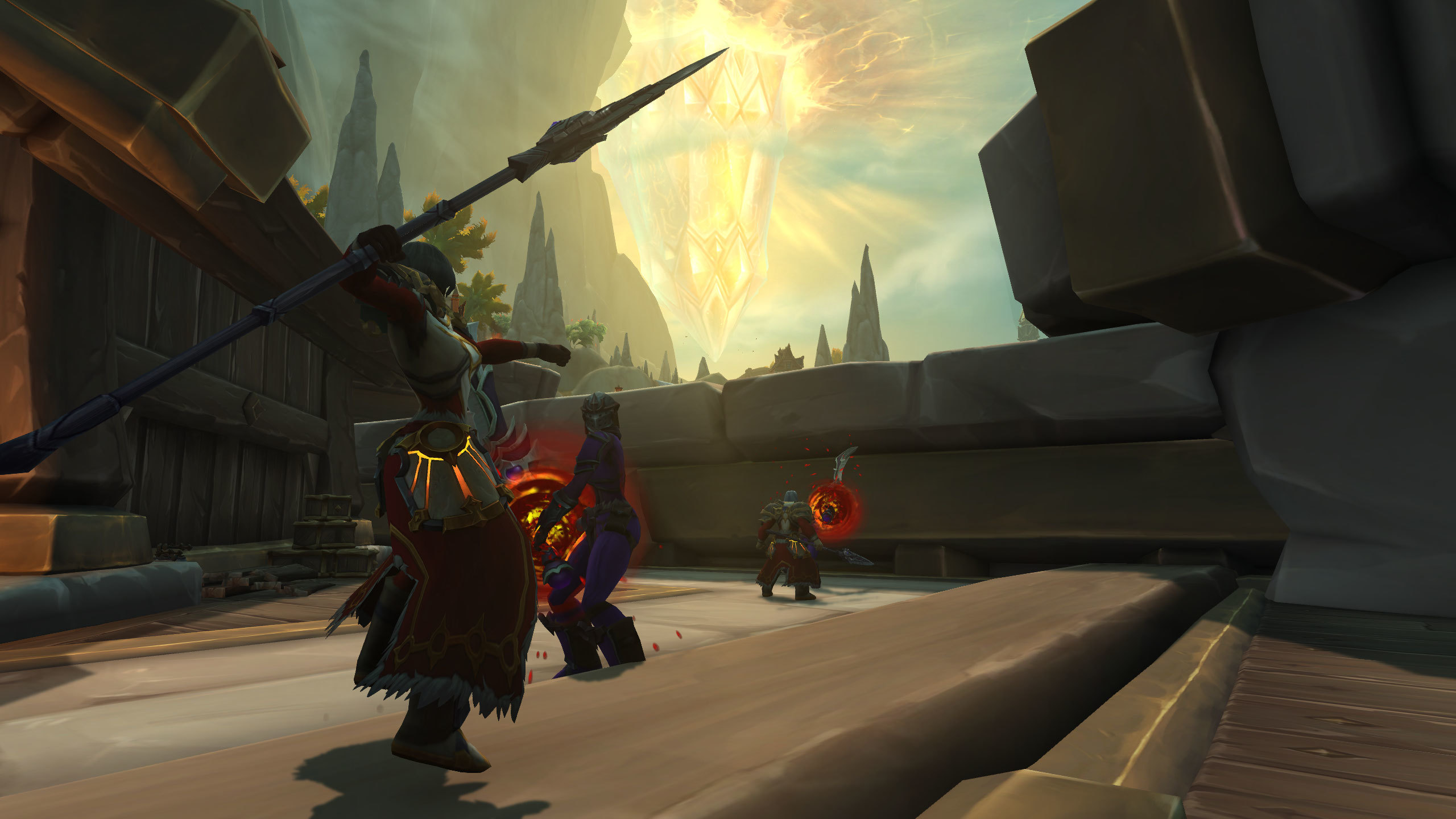
Dungeon success is increasingly determined by pull decisions rather than raw damage output. Choosing when, where, and how much to pull shapes pacing, survivability, and recovery far more than peak numbers on a meter.
Smart pulls turn average damage into consistent clears.
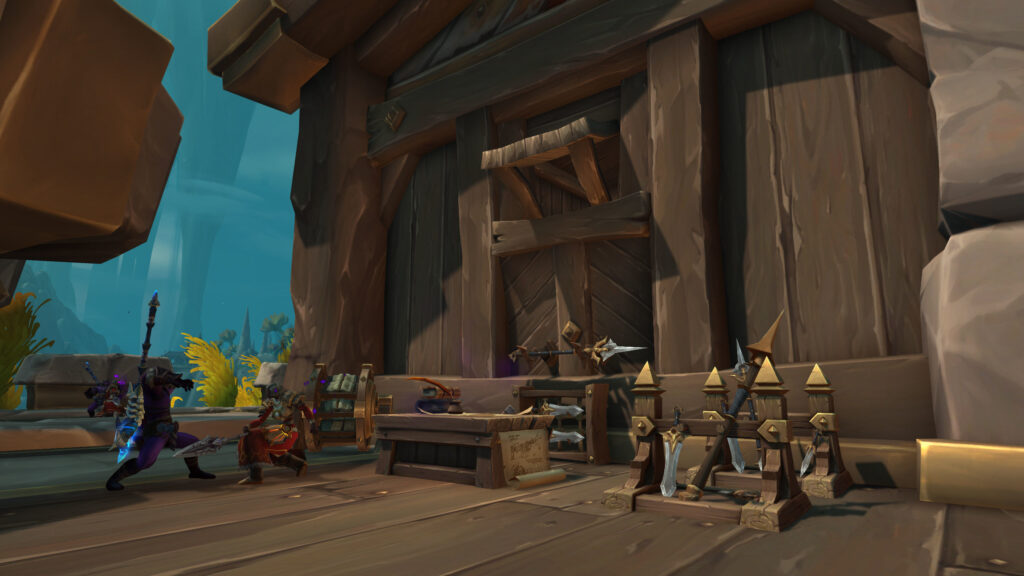
Why Damage Alone No Longer Carries Runs
High output cannot compensate for poor pull planning. Overlapping casts, dangerous patrols, and affix interactions punish reckless aggression.
Efficiency is created before combat begins.
Pull Size as a Strategic Commitment
Every pull commits resources and time. Large pulls demand cooldowns and flawless execution, while smaller pulls trade speed for control.
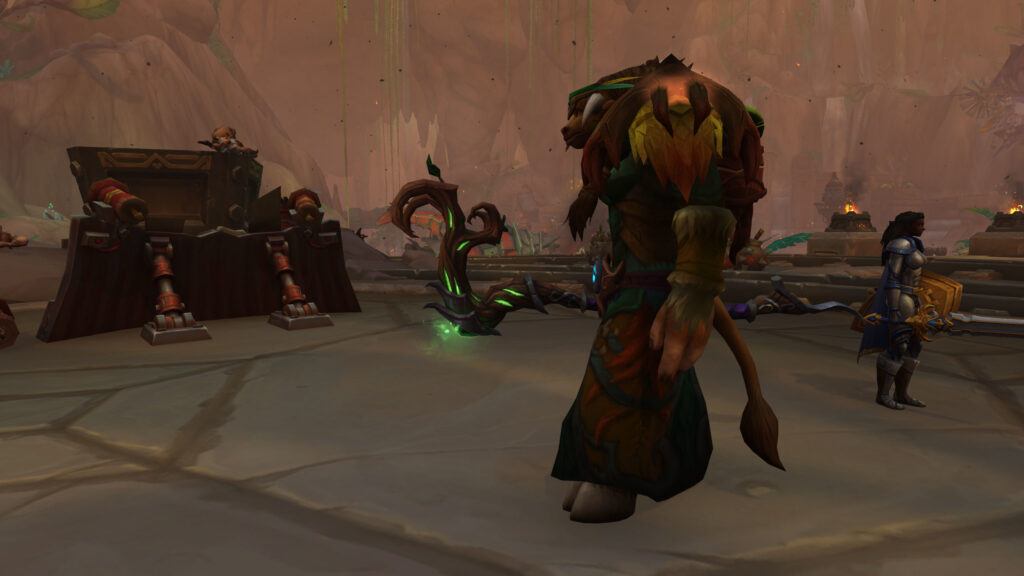
The correct choice depends on context, not confidence.
Key Factors That Shape Pull Decisions
Experienced groups evaluate multiple variables before engaging.
- Cooldown availability across all roles
- Enemy ability overlap and cast priority
- Affix pressure during the pull window
- Recovery options after mistakes
Ignoring any factor magnifies risk.
Tanks as Tempo Controllers
Tanks dictate pace through pull choices. Strong leadership aligns pulls with group readiness rather than personal comfort.

Trust grows when decisions are predictable and justified.
Clean Pulls Preserve Momentum
Successful pulls minimize deaths and downtime. Momentum matters more than theoretical speed gains from oversized engagements.
Consistency compounds across the entire run.
Adapting Pulls Mid-Run
No plan survives contact unchanged. Deaths, cooldown drift, or affix timing force adjustments.
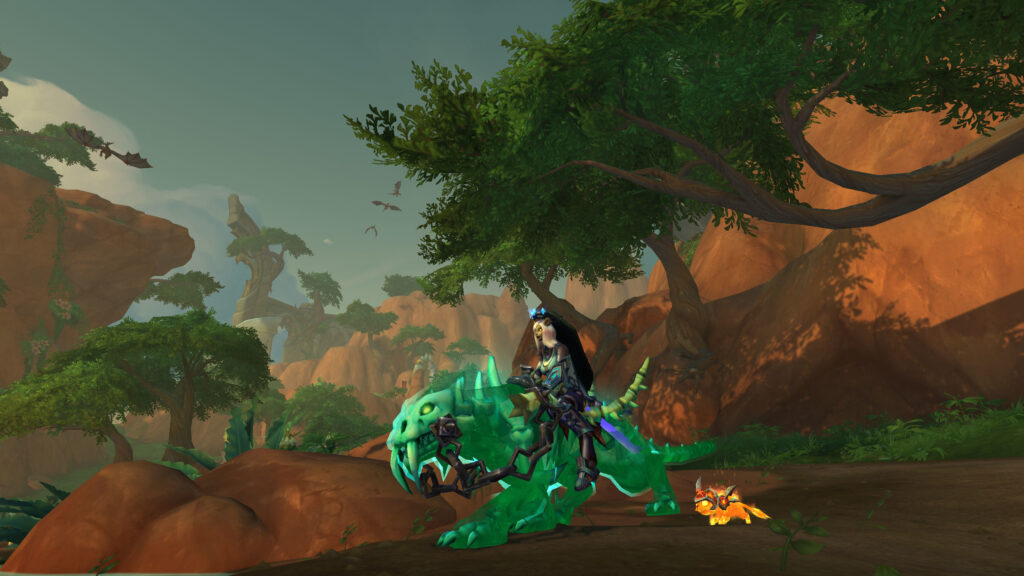
Flexible groups revise pull size dynamically instead of stubbornly following routes.
Conclusion
Dungeon pull decisions define success more than raw damage output by shaping risk, pacing, and recovery. Groups that prioritize intelligent pulls over meter chasing achieve cleaner, faster, and more reliable clears.